


How to Handle Restaurant Meals Without Throwing Away Your Progress

As the weather gets warmer in March, you're probably eating out more. Meeting friends for brunch, trying new restaurants, grabbing dinner after work. Eating out is part of enjoying life, but it can also derail your healthy eating if you're not careful.
Restaurant meals are designed to taste good, not to be healthy. They're loaded with salt, sugar, butter, and portions that are way bigger than what you'd eat at home. One or two restaurant meals won't ruin your progress, but if you're eating out multiple times a week and not making smart choices, it adds up fast.
The good news is that you don't have to avoid restaurants to stay on track. You just need to know how to navigate menus, manage portions, and make choices that align with your goals without feeling like you're missing out.
Why Restaurant Meals Are So Challenging
Even when you think you're making a healthy choice at a restaurant, you're probably eating more calories than you realize. Restaurants use more oil, butter, and sugar than you would at home, and portions are almost always larger than necessary.
Portions Are Massive
Restaurant portions are easily two to three times what you'd serve yourself at home. Even "healthy" salads or grain bowls come in huge servings that pack way more calories than you'd expect.
When there's more food in front of you, you're likely to eat more. It's not a lack of willpower. It's just human nature to eat what's on your plate.
Everything Has More Fat and Sugar
Restaurants make food taste good by adding fat and sugar. Salad dressings are loaded with oil and sugar. Vegetables are sautéed in butter. Sauces are heavy and rich. Even grilled chicken often has butter or oil added.
You're not getting the plain, simple version of anything. You're getting the version that's been enhanced to taste as indulgent as possible.
You're Not Cooking It Yourself
When you cook at home, you control exactly what goes into your food. At a restaurant, you don't know how much oil was used, what's in the sauce, or how the food was prepared.
That lack of control makes it harder to eat the way you normally would. You're trusting the restaurant to make choices for you, and they're optimizing for taste, not health.
Smart Strategies for Eating Out
You don't need to avoid restaurants. You just need a plan for how to handle them so you're not sabotaging your progress every time you eat out.
Look at the Menu Ahead of Time
Most restaurants post their menus online. Look at it before you go so you can decide what you're going to order without the pressure of everyone else at the table waiting for you.
When you know what you're ordering ahead of time, you're less likely to make an impulsive choice or get talked into something you didn't plan to eat.
Order Protein and Vegetables
The safest bet at most restaurants is grilled or baked protein with a side of vegetables. Chicken, fish, steak, or shrimp with steamed, roasted, or grilled veggies.
Skip the fried options, the creamy sauces, and the dishes that are mostly pasta or bread. Stick to meals that are built around protein and vegetables and you'll be in much better shape.
Ask for Modifications
Don't be afraid to ask for what you want. Dressing on the side. No butter on the vegetables. Grilled instead of fried. Swap fries for a salad or extra vegetables.
Most restaurants are happy to accommodate. You're paying for the meal. You can ask for it to be prepared the way you want.
Control Your Portions
You don't have to finish everything on your plate. Restaurant portions are too big for most people. Eat until you're satisfied, not until you're uncomfortably full.
If the portion is huge, ask for a to-go box right away and put half of it aside before you start eating. Or share a meal with someone else. Either way, you're not forcing yourself to eat more than you need just because it's in front of you.
What to Avoid at Restaurants
Certain menu items are almost always going to be problematic if you're trying to stay on track. You don't need to avoid them forever, but knowing what adds the most calories helps you make better choices.
Fried Foods
Anything fried is going to be loaded with calories and fat. Fried chicken, fried fish, french fries, onion rings, fried appetizers. These add hundreds of extra calories without adding much in the way of nutrition or satiety.
If you want something fried, have a small portion and balance it with healthier choices for the rest of the meal.
Creamy Sauces and Dressings
Alfredo, cream-based soups, ranch dressing, Caesar dressing, and anything described as "creamy" is going to be packed with calories.
Ask for dressings and sauces on the side so you can control how much you use. A little goes a long way, and you don't need to drown your food in it.
Bread and Chips
The bread basket or chips that come before your meal can easily add 300-500 calories before you even start eating. If you're trying to stay on track, skip them or limit yourself to one piece.
Once you start, it's hard to stop, so it's often easier to just avoid them altogether.
Sugary Drinks
Sodas, sweet tea, lemonade, and alcoholic drinks with mixers are all loaded with sugar and calories. Stick to water, unsweetened tea, or black coffee.
If you want alcohol, go for wine, light beer, or spirits with soda water instead of sugary mixers.
Make It Work for Your Routine
Eating out doesn't have to derail your progress. If you're strategic about how often you eat out and what you order when you do, you can enjoy restaurants without undoing all the work you've put in.
Limit How Often You Eat Out
The more often you eat out, the harder it is to stay on track. If you're eating out five or six times a week, it's going to be tough to see progress no matter how carefully you order.
Try to limit restaurant meals to once or twice a week. Cook at home most of the time, and save eating out for occasions when it's worth it.
Don't Use Restaurants as a Default
A lot of people eat out because they don't have anything planned for dinner and it's easier than cooking. That's when you end up eating out more than you intended and making choices you wouldn't normally make.
When you have meals ready at home, you're not relying on restaurants as your backup plan. You're only eating out when you actually want to, not because it's your only option.
Enjoy It Without Overdoing It
The point of eating out is to enjoy good food and spend time with people. You don't need to stress over every bite or feel guilty about your choices.
Just be mindful. Make smart choices most of the time. Don't eat more than you need just because it's in front of you. And get back to your normal routine at your next meal.
One restaurant meal won't ruin your progress. But consistently making poor choices every time you eat out will. Find the balance that lets you enjoy restaurants without letting them control your results.
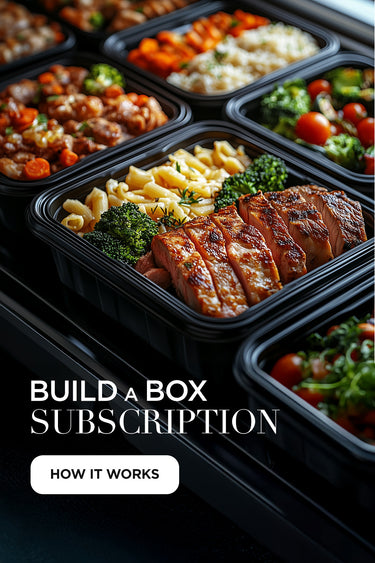
When you're eating out less and want meals at home that don't require cooking from scratch, FitEats makes it easier to stay on track. Check out the full menu or see how it works to get fresh, balanced meals that keep you consistent so eating out stays an occasional treat, not your everyday solution.