


Surviving Holiday Parties Without Derailing Your Progress

Holiday season means parties. Office celebrations, family gatherings, friend events, neighborhood get-togethers. Each one brings food, drinks, and pressure to participate fully.
You want to enjoy the season without abandoning everything you've worked for. But you also don't want to be the person bringing meal-prepped chicken to Christmas dinner.
There's a middle ground. You can participate in holiday celebrations without derailing weeks of progress. It just requires some strategy.
Why holiday parties feel like nutritional landmines
Party food is designed to be eaten in excess. Appetizers are small and easy to grab repeatedly. Desserts multiply across tables. Everything tastes good, and there's social pressure to try things people made.
Alcohol lowers inhibitions and increases hunger. A few drinks lead to eating more than you intended. You make decisions you wouldn't make sober.
Parties also disrupt normal eating patterns. Dinner parties start late, meaning you arrive hungry. Cocktail parties offer no real meals, just continuous snacking. Your usual routine completely breaks down.
Social dynamics complicate things too. Hosts feel rejected when you decline their cooking. Family members comment on food choices. Coworkers pressure you to participate in every treat someone brings to the office.
Eating before you arrive
Show up to parties already fed. This single strategy prevents most overeating.
Eat a real meal 1-2 hours before the party. Protein, vegetables, normal portions of what you'd eat any other day. You arrive satisfied rather than starving, which completely changes your relationship to party food.
This doesn't mean you don't eat at the party. You just eat as part of social participation rather than because you're genuinely hungry. That distinction matters enormously.
Prepared meals work perfectly for this. Have a balanced meal ready to eat before leaving for the party. No cooking required when you're already getting ready and time is tight.
If the party includes dinner and refusing to eat feels awkward, eat a smaller pre-party meal. You're still not arriving starving, but you have room to participate in the actual dinner.
Strategic food choices at parties
Survey all food before choosing anything. People grab the first appealing items they see, then feel obligated to keep eating them even when better options appear later.
Prioritize protein and vegetables when available. These satisfy hunger better than crackers and cookies. Fill your plate with real food before adding treats.
Use small plates if available. The same amount of food looks more substantial on smaller plates, creating psychological satisfaction from less actual food.
Choose quality over quantity. One excellent dessert you truly enjoy beats sampling five mediocre options because they're there. Be selective rather than completionist.
The drink strategy
Alcohol calories add up quickly while providing zero nutrition or satiety. Most people dramatically underestimate how much they drink at parties.
Alternate alcoholic drinks with water. One drink, one water, repeat. This slows alcohol consumption while preventing dehydration that often feels like hunger.
Choose drinks wisely. Clear spirits with soda water and lime contain fewer calories than sugary cocktails or creamy drinks. Wine works better than craft cocktails with multiple ingredients.
Set a limit before arriving. Decide "I'll have two drinks" and stick to it. Pre-commitment prevents in-the-moment decisions when you're already buzzed.
If you don't drink, don't let people pressure you into it. "I'm driving" or "I'm not drinking tonight" end most conversations. Your choices don't require extensive explanation.
Handling pushy hosts and family
Some people take personal offense when you decline food. This creates awkward social dynamics around reasonable choices.
Take small portions of things people push. This satisfies their need for you to "try" things without requiring you to eat large amounts. One bite shows participation without excess.
Compliment food without eating seconds. "This is delicious, thank you" acknowledges their effort without obligating continued eating.
Redirect conversation away from food. Ask about their holiday plans, compliment decorations, engage with topics that don't center on eating. People usually move on quickly.
For persistent family members who won't let up, be direct but kind. "I'm really full, but I'd love the recipe" or "I'm eating lighter today" usually works. You don't owe detailed explanations about your eating choices.
Managing office party situations
Office parties create unique pressure because you're navigating professional relationships alongside food decisions.
Arrive early when food options are freshest and most abundant. Later arrivals often face picked-over selections with mostly desserts remaining.
Participate socially without food being the focus. Engage in conversations, acknowledge coworkers' contributions, be present without constantly eating.
If your office does potluck, bring something nutritious that you can eat. This ensures at least one option works for your needs while contributing to the gathering.
Don't comment on others' food choices. Focus on your own plate without judging what colleagues eat. This keeps things professional and avoids awkward dynamics.
The day-after strategy
The day after a party matters as much as the party itself. This is where most people spiral.
Resume normal eating immediately. Not tomorrow, not Monday, the very next meal. One party doesn't ruin anything, but treating it as permission to eat poorly for days does.
Don't restrict to "make up" for party eating. Skipping meals or eating only salads creates backlash that leads to more overeating. Just return to your regular pattern.
Get back to regular movement. If you work out, do your normal routine. If you walk, take your regular walk. Movement helps you feel better both physically and mentally.
Order prepared meals for the day after parties. Having good food ready prevents poor choices when you're tired from late nights and dealing with any overindulgence effects.
Multiple parties in one week
Some weeks pack in several events. You need strategy for stacking parties without compounding damage.
Designate primary and secondary events. Choose one or two parties where you'll eat and drink more freely. At other events, focus on socializing with minimal food and alcohol.
Never arrive hungry to any event, even secondary ones. Eat real meals between parties to prevent accumulating hunger that leads to overeating.
Plan recovery meals. Know what you'll eat between parties to maintain balance. Build a Box subscriptions provide these meals without requiring planning when your schedule is already chaotic.
Get adequate sleep. Late party nights reduce willpower and increase cravings. Protect sleep when possible, and accept that some weeks just involve less rest than ideal.
Handling holiday food at work
December offices overflow with treats. Cookies, candies, baked goods, constant temptation sitting in break rooms and on desks.
Walk routes that avoid treat areas. If the break room becomes cookie central, use different water fountain or bathroom. Out of sight helps significantly.
Bring your own snacks. Having good options at your desk prevents grabbing office treats when hunger hits. String cheese, nuts, fruit, things that actually satisfy.
Participate selectively. Choose one or two things you genuinely want rather than sampling everything that appears. Being selective shows more self-control than complete avoidance.
Keep treats off your desk. Well-meaning coworkers leave candy bowls everywhere. Politely decline or relocate them. Having treats within constant arm's reach makes mindless eating almost inevitable.
Realistic expectations for the season
You will eat more during holidays than normal months. That's fine. The goal isn't perfect eating through party season.
Maintaining weight through holidays counts as success. Most people gain 5-10 pounds. Holding steady or gaining less means your strategies are working.
Some parties will go better than others. You'll navigate some well and overdo it at others. This is normal. Learn from what worked and what didn't rather than judging yourself.
The season ends. January brings routine back. What you do most of the year matters far more than what happens in December. Keep perspective on the bigger picture.
What to do when you overdo it
It happens. You ate and drank more than intended. Now what?
Don't weigh yourself the next morning. Scale fluctuation from sodium and alcohol creates dramatic numbers that don't reflect actual changes. Wait a few days for accurate reads.
Drink lots of water. This helps your body process everything and reduces the bloated feeling that often follows party eating.
Move your body gently. Walking helps without being punishing. Save intense workouts for when you feel better if you overindulged significantly.
Get right back to normal eating. One night of excess doesn't require extended recovery. Just resume your usual pattern immediately.
Making parties enjoyable again
The goal isn't suffering through holiday season. It's enjoying celebrations without derailing progress.
Focus on social aspects over food. You're there for people, conversation, connection. Food is present but doesn't have to be the focus.
Let go of all-or-nothing thinking. You can enjoy some treats while making mostly good choices. It's not binary.
Give yourself permission to participate. One cookie at a party isn't failure. Eating reasonably well most of the time while enjoying special occasions creates sustainable balance.
Planning ahead for known events
You probably know most party dates in advance. Use that information.
Eat especially well on non-party days. If Friday is the office party, Thursday and Saturday should be solid eating days. This creates balance across the week.
Plan meal deliveries for busy party weeks. Having good food ready for non-party meals prevents the whole week from becoming chaotic eating.
Communicate with family about food. If you're hosting or contributing dishes, include options that work for your needs. This removes stress from family gatherings.
Schedule workouts strategically. Fit in movement on party days when possible. The physical activity helps balance extra food and alcohol while improving your mental state.
Surviving December successfully
Party season tests your habits. But it doesn't have to undo all your work.
Eat real meals before events, choose strategically while there, and resume normal patterns immediately after. Handle multiple events by prioritizing which matter most. Keep perspective that the season is temporary.
Most importantly, participate and enjoy. The goal is sustainable healthy eating that includes celebration and social connection. Completely avoiding parties creates isolation. Learning to navigate them while maintaining reasonable eating creates lasting skills.
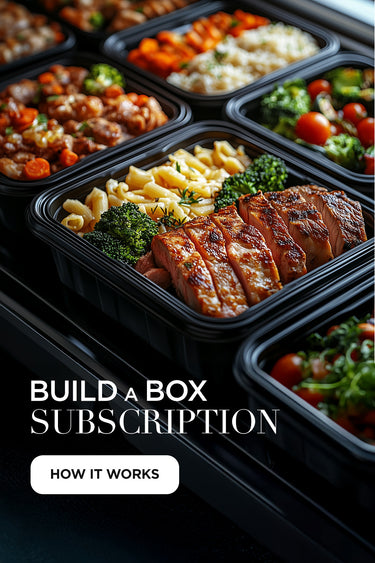
Check out how it works to see how prepared meals can support you through the busy season. When parties disrupt your routine, having good backup options makes all the difference.