


New Year, New Goals: How to Actually Stick to Healthy Eating in 2026

Most New Year's resolutions fail by February. The gym memberships go unused, the meal plans get abandoned, and by March you're back to exactly where you started.
The problem isn't lack of motivation. It's setting goals that don't fit real life. Vague promises to "eat better" or "be healthier" don't translate into actionable daily habits. You need specific strategies that work when motivation fades.
Here's how to set eating goals for 2026 that actually stick beyond January.
Why most healthy eating goals fail
Goals fail when they're too ambitious for your actual life. Promising to meal prep every Sunday works until one weekend gets busy. Then the whole system collapses because you built no flexibility into the plan.
All-or-nothing thinking kills progress too. One missed meal or unplanned restaurant visit feels like failure, so you abandon the entire effort. This mindset treats eating as pass/fail rather than ongoing practice.
Motivation fades predictably. January brings energy and commitment. By March, normal life returns and that initial push disappears. Goals that depend on constant motivation don't survive the motivation drop.
Most people also try changing too much simultaneously. New workout routine, completely different eating pattern, cutting out entire food groups. The combined stress becomes overwhelming, and everything gets dropped at once.
Setting goals that match your real life
Start with your actual schedule, not an idealized version. If you work long hours and commute, planning elaborate home cooking five nights weekly sets you up for failure. Two nights of cooking plus strategic use of prepared meals works better.
Consider your genuine preferences too. Forcing yourself to eat foods you hate because they're "healthy" creates misery, not sustainable habits. Find nutritious options you actually enjoy eating.
Family and social obligations matter. If Friday nights mean dinner with friends, build that into your plan rather than treating it as exception requiring guilt. Regular social eating is normal life, not derailment.
Energy levels vary. Some days you have capacity for cooking. Other days you need grab-and-go options. Plans that account for this variability survive longer than rigid approaches.
The protein-first strategy
Every meal needs protein. This single rule improves eating quality dramatically without requiring complex planning.
Protein keeps you full longer than carbs or fats alone. This prevents the constant snacking and hunger that derails most eating plans. When meals actually satisfy, you stop thinking about food constantly.
It's also hard to overeat protein. Your body regulates protein intake naturally, creating a built-in portion control mechanism. This makes healthy eating easier without conscious restriction.
Protein sources include chicken, fish, eggs, Greek yogurt, beans, lentils, and tofu. Having multiple options prevents boredom while ensuring you can always find something appropriate.
FitEats meals are built around this principle. Balanced protein portions paired with vegetables and whole grains, ready when you need them. No guessing about whether your meal is balanced.
Meal planning that doesn't require perfection
Perfect meal prep fails when life gets messy. Flexible planning survives.
Plan 60% of your meals, not 100%. Know what you're eating for most breakfasts, some lunches, and several dinners. Leave space for flexibility without treating it as failure.
Batch prep components rather than complete meals. Cook large batch of chicken, roast sheet pans of vegetables, make big pot of rice. Combine these throughout the week in different ways so you're not eating identical meals repeatedly.
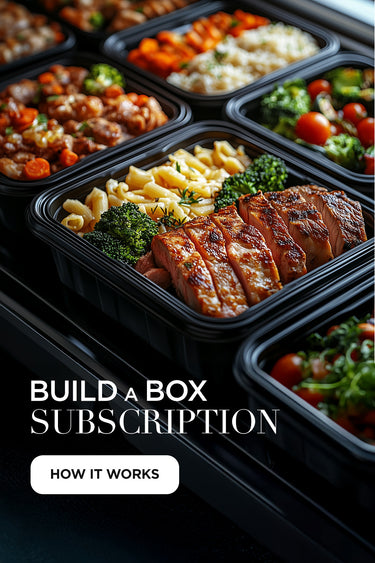
Keep emergency options available. Build a Box subscriptions provide backup meals for days when prep didn't happen. You eat well even when planning fails.
Accept that some weeks work better than others. Holiday weeks, work deadline weeks, travel weeks all disrupt routines. That's reality, not failure. Just get back to your pattern when things calm down.
Making better choices at restaurants
Restaurant meals don't have to derail progress. Strategic ordering makes huge difference.
Protein and vegetable entrees work well. Grilled chicken with vegetables, fish with salad, steak with roasted vegetables. These meals provide nutrition without excessive calories from sauces and sides.
Ask for modifications without guilt. Dressing on the side, grilled instead of fried, extra vegetables instead of fries. Most restaurants accommodate these requests easily.
Split entrees or take half home. Restaurant portions often exceed what you need. Sharing or saving half for another meal prevents overeating while still enjoying dining out.
Skip appetizers and bread baskets. They add calories without much nutritional value and fill you up before the actual meal arrives. If you want them, choose deliberately rather than eating mindlessly while waiting.
Handling slip-ups without spiraling
One unplanned meal doesn't ruin anything. What ruins progress is treating one meal like complete failure and abandoning all effort.
Get back on track with the next meal. Not tomorrow, not Monday, the very next time you eat. This prevents one choice from becoming three days of poor choices.
Don't try to "make up for" less healthy meals by skipping food later. This creates restriction and binge cycles that make everything harder. Just resume your normal eating pattern.
Progress happens over weeks and months, not individual meals. What you eat most of the time matters far more than occasional variations. Keep perspective on what actually impacts results.
Using prepared meals strategically
Meal delivery from our Sacramento location provides backup for busy days. Order ahead for specific days when you know cooking won't happen, or keep some available for unexpected schedule changes.
This isn't cheating or failing to meal prep. It's being realistic about your capacity and using available tools to succeed. Eating well from prepared meals beats eating poorly because you ran out of time.
Pickup options in Roseville work for people who prefer grabbing meals on their way home. Same balanced nutrition, just different logistics that fit your routine better.
Think of prepared meals as one tool in your approach, not a last resort. Combining home cooking, prepared meals, and strategic restaurant choices creates sustainable patterns.
Tracking without obsessing
Some tracking helps. Obsessive tracking creates problems.
Notice general patterns rather than counting every calorie. Are you eating protein at most meals? Getting vegetables regularly? Drinking enough water? These broad patterns matter more than exact macros.
Weekly assessment works better than daily. Look at the week as whole rather than judging each day individually. Did you stick to your plan most of the time? That's success, even if specific days varied.
Photos work better than food journals for many people. Quick pictures of meals provide records without the time investment of detailed tracking. You can review patterns without getting lost in numbers.
Focus on behaviors you control rather than outcomes you don't. You control whether you eat protein with breakfast. You don't directly control the number on the scale, which fluctuates based on many factors. Behavior focus reduces frustration.
Building habits that outlast motivation
Habits survive motivation drops. The key is making healthy eating the easy default rather than something requiring constant decision-making.
Prep the same meals repeatedly. Variety sounds nice, but routine makes execution easier. Find five meals you like and rotate through them. Once they're habitual, you can add variety.
Make healthy options most accessible. Pre-cut vegetables in front of fridge, fruit on counter, prepared meals ready to grab. When healthy choices are easiest, you pick them more often.
Reduce decisions through systems. Same breakfast daily, similar lunch pattern, regular dinner rotation. Every decision removed is one less opportunity to choose poorly when tired or stressed.
Connect eating habits to existing routines. Protein smoothie after morning workout, salad with every dinner, water bottle refilled at specific times. Anchoring new habits to established ones increases success rates.
What actually works long-term
Consistency beats perfection. Eating reasonably well most of the time produces better results than perfect eating that can't be maintained.
Small improvements compound. Choosing one better meal daily adds up to hundreds of better meals annually. That accumulated difference matters far more than occasional perfect days.
Flexibility prevents burnout. Plans that accommodate real life, social eating, preferences, and schedule variations last longer than rigid approaches that work until first disruption.
Having backup options prevents spiraling. When primary plan fails, having good backup prevents defaulting to poor choices. Meal subscriptions serve this purpose perfectly.
Starting without waiting for perfect timing
January 1st isn't magical. Starting now rather than waiting for arbitrary date builds momentum sooner.
Begin with one meal. Don't overhaul everything simultaneously. Add protein to breakfast for one week. Once that feels normal, tackle lunch. Gradual changes stick better than complete transformations.
Focus on addition rather than restriction. Add vegetables, add protein, add water. "Add good things" feels more positive than "cut out bad things" and often produces same results with less psychological resistance.
Expect imperfection from the start. You'll miss meals, make unplanned choices, have weeks that don't go smoothly. That's normal, not failure. The goal is general direction, not flawless execution.
Making it work in 2026
This year's eating goals should be different from last year's failed resolutions. More realistic, more flexible, more focused on sustainable habits than dramatic transformations.
Choose strategies that work for your actual schedule and preferences. Use available tools like prepared meals strategically rather than viewing them as failure. Track broadly rather than obsessively. Focus on behaviors you control.
Most importantly, treat eating as ongoing practice rather than pass/fail test. Some days go well, others don't. The pattern matters, not individual meals.
Visit our locations to see how prepared meals can support your 2026 goals. Sustainable healthy eating requires realistic plans and good backup options. We provide the backup so you can focus on building lasting habits.